Big Hole National Battlefield
National Battlefield · MT
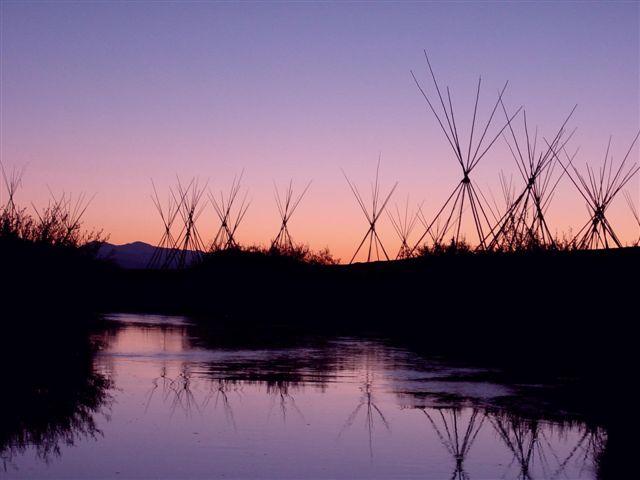
On August 9, 1877, gunshots shattered a chilly dawn on a sleeping camp of nımí·pu· (Nez Perce). By the time the smoke cleared on August 10, almost 90 nımí·pu· were dead, along with 31 soldiers and volunteers. Big Hole National Battlefield was created to honor all who were there.
- NPS site
- nps.gov/biho
- Location
- Big Hole National Battlefield (45.646, -113.646)
Track your visit to Big Hole National Battlefield
NP Tracker keeps a record of every National Park Service unit you visit — all 430-plus of them. Log visits with dates and photos, collect passport stamps, plan trips, and watch your map fill in. It's free.
Passport stamp locations
- Visitor Center at Big Hole National Battlefield
Hours
Big Hole National Battlefieldtoday: Sunrise to Sunset
- Sun Nov 22Sunrise to Sunset
- Mon Nov 23Sunrise to Sunset
- Tue Nov 24Sunrise to Sunset
- Wed Nov 25Sunrise to Sunset
- Thu Nov 26ClosedThanksgiving
- Fri Nov 27Sunrise to Sunset
- Sat Nov 28Sunrise to Sunset
Upcoming closures: Nov 26 (Thanksgiving)
The grounds and trails at Big Hole National Battlefield are open daily from sunrise to sunset.
Hours are retrieved from the National Park Service and can change without notice — check the official site before you go.
When to go
Busiest in July, warmest in July
Busiest in July, quietest in February.
Each month is its median across 2021–2025: the middle year’s figure, so one unusual year doesn’t skew it. Recreation visitors only. Typical, not a forecast for your dates. Source: NPS Stats.
Warmest in July (78° / 38°), coolest in December (25° / 3°).
Average daily high and low, °F, and monthly precipitation, 1991–2020, measured at Wisdom, 15 km away, 1,847 m up. Typical, not a forecast for your dates. Source: NOAA climate normals.
Things to do
1
- Explore the Walking Trails
Explore the battlefield through 3 different trails: the Nez Perce camp trail (1.6 miles round trip with no elevation gain, the Howitzer capture site (0.8 miles round trip with 320ft elevation gain) and the Siege area trail (1.2 miles round trip with 50ft elevation gain). Allow approximately 2 hours to complete all 3 trails.
Summer, Fall
Visitor centers
1
Self-guided tours
1
Bear Paw Battlefield at C’áaynim ’Alikinwáaspa1–2 hours · 12 stops
Located a 6-hour drive northeast of Big Hole National Battlefield, Bear Paw Battlefield marks the final battle of the four-month Flight of 1877. Walk the Bear Paw Battlefield loop trail while listening to the text from the Bear Paw Battlefield Brochure and Trail Guide. For more information, read the frontside of the brochure. For an audio recording of the brochure, please contact Nez Perce National Historic Park.
Entrance fees
No entrance fee.