Fort Laramie National Historic Site
National Historic Site · WY
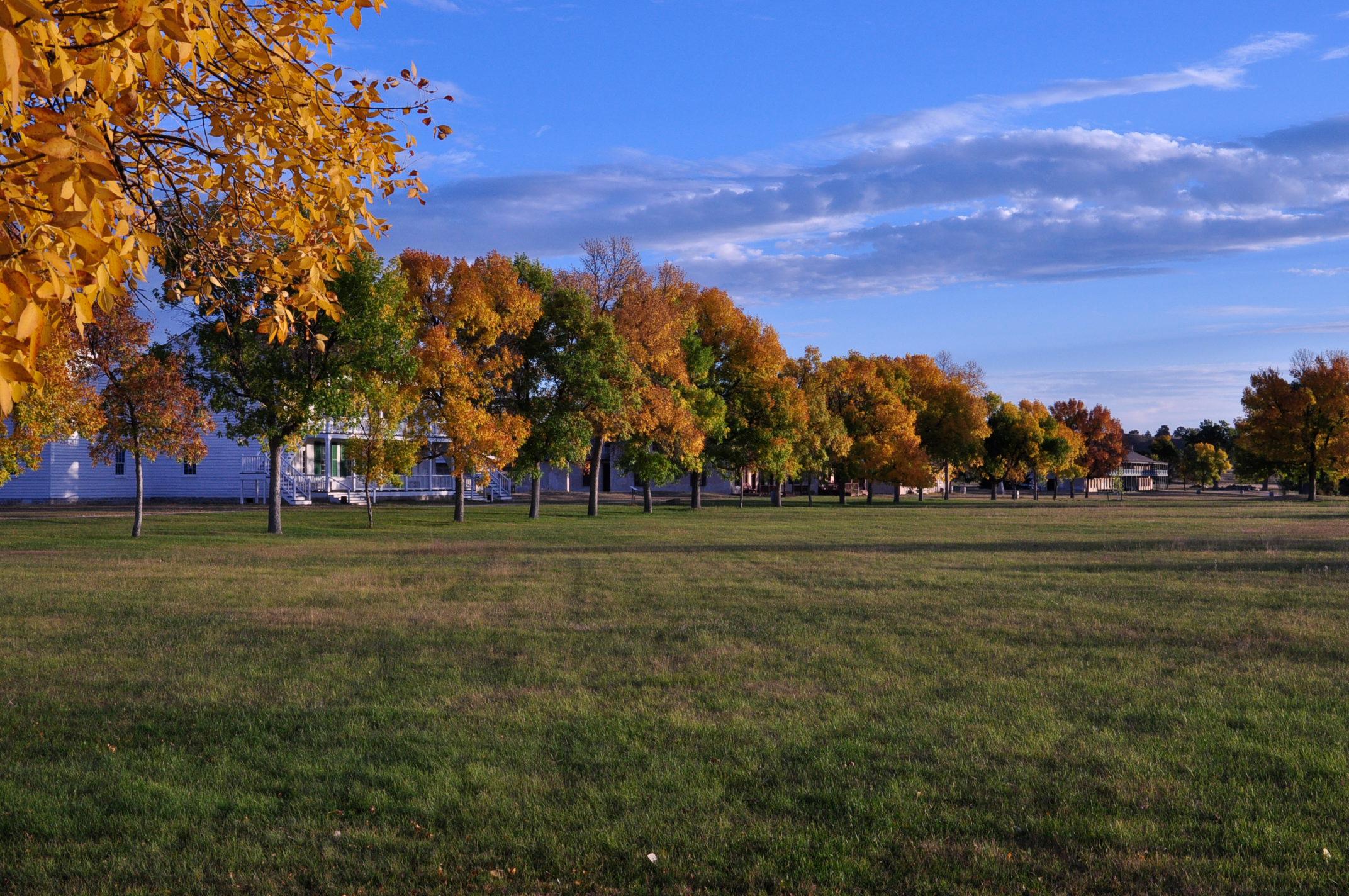
Originally established as a private fur trading fort in 1834, Fort Laramie evolved into the largest and best-known military post on the Northern Plains before its abandonment in 1890. Nicknamed the “Grand Old Post,” Fort Laramie witnessed the entire sweeping saga of America’s western expansion and Indian resistance to encroachment on their territories.
- NPS site
- nps.gov/fola
- Location
- Fort Laramie National Historic Site (42.203, -104.546)
Track your visit to Fort Laramie National Historic Site
NP Tracker keeps a record of every National Park Service unit you visit — all 430-plus of them. Log visits with dates and photos, collect passport stamps, plan trips, and watch your map fill in. It's free.
Passport stamp locations
- Commissary Storehouse
- Fort Laramie National Historic Site Visitor Center
- Old Bedlam
Hours
Park grounds and historic buildingstoday: Sunrise to Sunset
- Sun Nov 22Sunrise to Sunset
- Mon Nov 23Sunrise to Sunset
- Tue Nov 24Sunrise to Sunset
- Wed Nov 25Sunrise to Sunset
- Thu Nov 26Sunrise to Sunset
- Fri Nov 27Sunrise to Sunset
- Sat Nov 28Sunrise to Sunset
The park grounds are open from dawn until dusk every day of the year. Some historic buildings may be closed in winter. Post trader store and cavalry barracks are open daily - weather permitting.
Hours are retrieved from the National Park Service and can change without notice — check the official site before you go.
When to go
Busiest in July, warmest in July
Busiest in July, quietest in February.
Each month is its median across 2021–2025: the middle year’s figure, so one unusual year doesn’t skew it. Recreation visitors only. Typical, not a forecast for your dates. Source: NPS Stats.
Warmest in July (91° / 57°), coolest in January (43° / 15°).
Average daily high and low, °F, and monthly precipitation, 1991–2020, measured at Old Ft Laramie, 1 km away, 1,295 m up. Typical, not a forecast for your dates. Source: NOAA climate normals.
Upcoming events
1 in the next two weeks
- Christmas at Fort Laramie in 1876
Sat, Dec 5 · 10:00 AM–06:00 PM
Come celebrate the holiday season at Fort Laramie National Historic Site on Saturday December 5th! Kids crafts and activites will start at 10:00am and be available throughout the day! Music will ring…
Campfire/Evening Program, Guided Tour, Living History · Hosted at Fort Laramie National Historic Site · Free · Registration required
Visitor centers
1
- Fort Laramie National Historic Site Visitor Centertoday: 8:00AM - 4:00PMDirections
Self-guided tours
1
Fort Laramie Self-Guided Walking Tour62–64 minutes · 28 stops
Explore Fort Laramie National Historic Site by foot and learn about the history of the park.
Entrance fees
No entrance fee.