Katmai National Preserve
National Preserve · AK
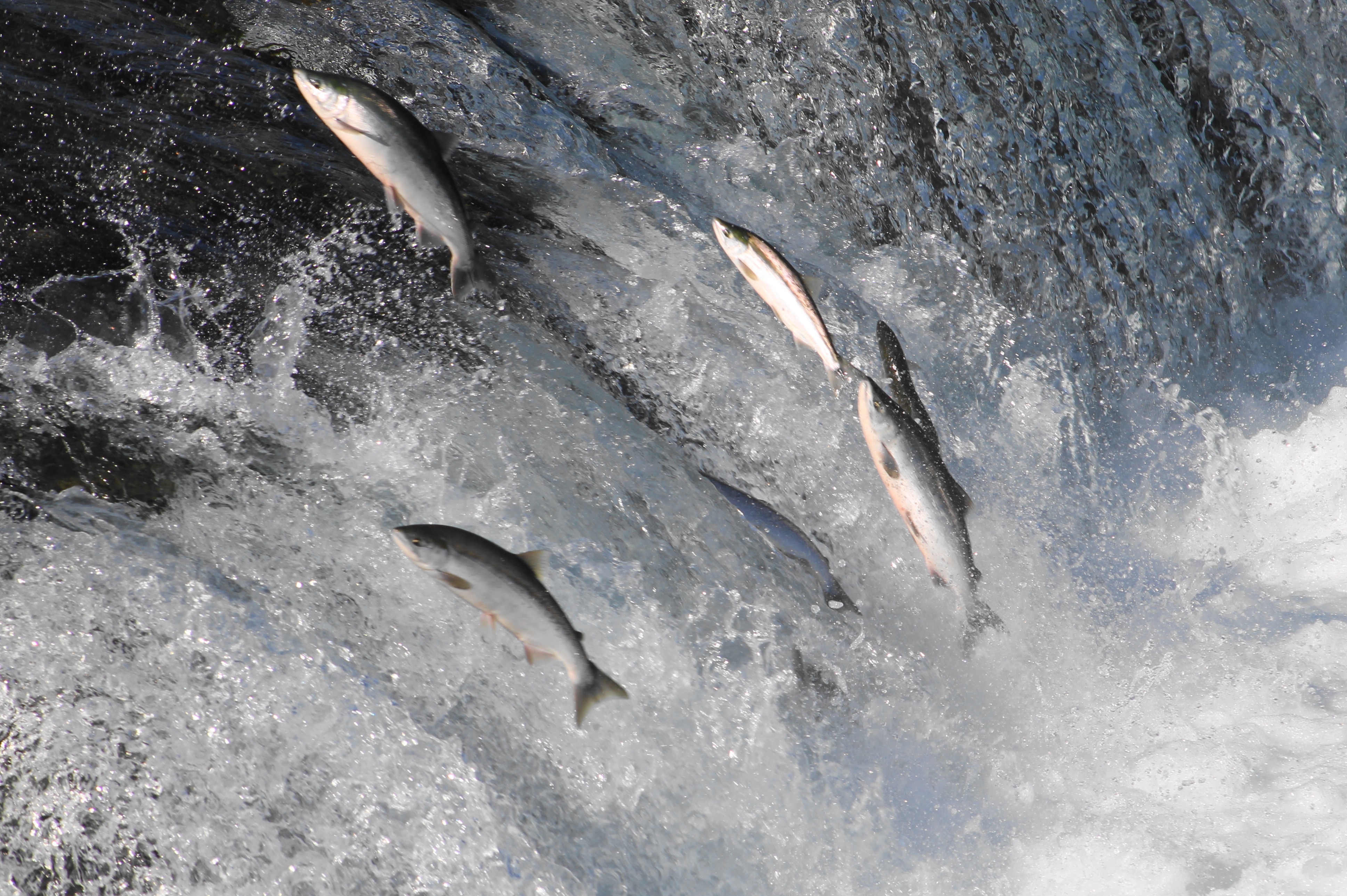
A landscape is alive underneath our feet, filled with creatures that remind us what it is to be wild. Katmai was established in 1918 to protect the volcanically devastated region surrounding Novarupta and the Valley of Ten Thousand Smokes. Today, Katmai National Park and Preserve also protects 9,000 years of human history and important habitat for salmon and thousands of brown bears.
- NPS site
- nps.gov/katm
- Location
- Katmai National Park & Preserve (58.622, -155.013)
Track your visit to Katmai National Preserve
NP Tracker keeps a record of every National Park Service unit you visit — all 430-plus of them. Log visits with dates and photos, collect passport stamps, plan trips, and watch your map fill in. It's free.
Passport stamp locations
- Brooks Camp Visitor Center
- Brooks Camp Visitor Center - A Historic View
- King Salmon Visitor Center
- Robert F. Griggs Visitor Center
Hours
Katmai National Park and Preservetoday: All Day
- Sat Oct 3All Day
- Sun Oct 4All Day
- Mon Oct 5All Day
- Tue Oct 6All Day
- Wed Oct 7All Day
- Thu Oct 8All Day
- Fri Oct 9All Day
Katmai is open 24 hours per day, seven days per week.
Hours are retrieved from the National Park Service and can change without notice — check the official site before you go.
Visitor centers
3
- Brooks Camp Visitor Centerclosed todayDirections
- King Salmon Visitor Centertoday: 9:00AM - 6:00PMDirections
- Robert F. Griggs Visitor Centerclosed todayDirections
Self-guided tours
3
Cultural Walk - Self-guided45–60 minutes · 5 stops
Explore the human side of Brooks River. Katmai’s landscape has been home to people for thousands of years. The Brooks River area is both a National Historic Landmark and a National Register of Historic Places Archeological District. With over 900 house depressions near the river, this is one of the most densely concentrated archeological areas in North America. This walk follows an easy 1/4 mile trail to a reconstructed traditional Alutiiq/Sugpiaq home and explores the human history of Brooks.
Historic Structures of Brooks Camp40–60 minutes · 4 stops
Here at Brooks Camp, we have been repurposing our buildings for years. It is easy to recognize the older structures in camp, many have been here since the early 60s and feature the same rustic design. Often, they have been renovated several times, allowing us to reuse resources instead of discarding them in a place where supplies are difficult to find and expensive to transport.
Walk to Brooks Falls - Self-guided1–8 hours · 7 stops
Brooks Falls is perhaps the most well-known destination in all of Katmai National Park. Enjoy this self-guided walk from the Brooks Camp Visitor Center to the Falls. Be sure to give yourself ample time for bear viewing along the way and know that bear jams may occur at any point in Brooks Camp. The distance from the visitor center to the Brooks Falls Platform is 1.2 miles one way.
Entrance fees
No entrance fee.