Saratoga National Historical Park
National Historical Park · NY
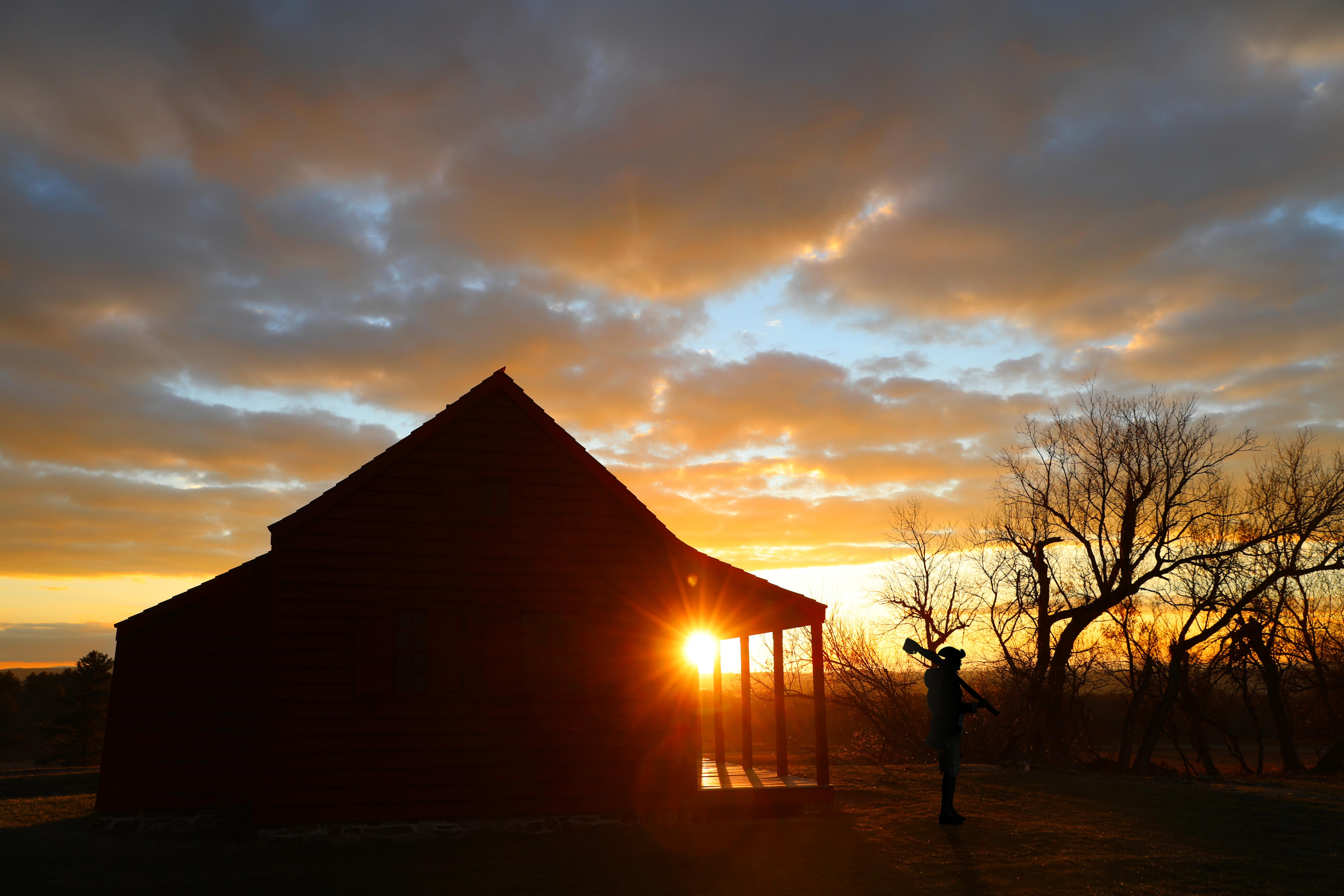
In 1777, a large British invasion force met an equally large American army here at Saratoga. After two intense battles, an eight-mile retreat, and a three-day siege, British General John Burgoyne surrendered his entire force. This first ever surrender of a British Army is one of the pivotal moments in determining the outcome of the Revolutionary War, forever changing the future of the world.
- NPS site
- nps.gov/sara
- Location
- Saratoga National Historical Park (42.995, -73.634)
Track your visit to Saratoga National Historical Park
NP Tracker keeps a record of every National Park Service unit you visit — all 430-plus of them. Log visits with dates and photos, collect passport stamps, plan trips, and watch your map fill in. It's free.
Passport stamp locations
- Schuyler Estate
- Visitor Center
Hours
Tour Roadtoday: 9:00AM - 4:00PM
- Sun Nov 229:00AM - 4:00PMFall, Eastern Standard Time
- Mon Nov 239:00AM - 4:00PMFall, Eastern Standard Time
- Tue Nov 249:00AM - 4:00PMFall, Eastern Standard Time
- Wed Nov 259:00AM - 4:00PMFall, Eastern Standard Time
- Thu Nov 269:00AM - 4:00PMFall, Eastern Standard Time
- Fri Nov 279:00AM - 4:00PMFall, Eastern Standard Time
- Sat Nov 289:00AM - 4:00PMFall, Eastern Standard Time
The tour road is open to vehicles Apr. 1 through Nov. 30, weather permitting - inclement weather can result in delayed opening or early road closure. Tour road hours vary with the season.
When to go
Busiest in August, warmest in July
Busiest in August, quietest in February.
Each month is its median across 2021–2025: the middle year’s figure, so one unusual year doesn’t skew it. Recreation visitors only. Typical, not a forecast for your dates. Source: NPS Stats.
Warmest in July (84° / 61°), coolest in January (32° / 14°).
Average daily high and low, °F, and monthly precipitation, 1991–2020, measured at Saratoga Springs 4 Sw, 16 km away, 99 m up. Typical, not a forecast for your dates. Source: NOAA climate normals.
Upcoming events
1 in the next two weeks
- Morgan Lewis: The Making of a Patriot
Thu, Dec 3 · 06:30 PM–07:30 PM
This event is canceled. Morgan Lewis is an often-overlooked figure of the American Revolution but one who was at the center of some of the most pivotal moments in the formation of America. The son of…
Talk · Free · Registration required
Things to do
11
- Become a Saratoga B.A.R.K. Ranger
Do you think your pet has what it takes to become an official Saratoga Bark Ranger? Learn about B.A.R.K. principles, complete activities, and check in with the rangers at the Visitor Center to get your four-legged friends certified!
All year
- Bike the Tour Road
While Saratoga National Historical Park is primarily known for its history, we’re also a very popular spot for cycling; no matter your level of expertise!
1-3 Hours · All year
- Climb the Saratoga Monument
This 155-foot stone obelisk was built in the last quarter of the 19th century to commemorate the American victory in the Battles of Saratoga. Visitors may climb up its 188 steps to take in amazing views of the surrounding area, with up to 30+ mile visibility on clear days.
15 Minutes · Summer, Fall
- Experience Victory Woods
After retreating north from Saratoga Battlefield, the British Army moved west to a ridge top where they made their final defense. Surrounded and nearly out of food, ammunition, and time, they surrendered to the Americans on October 17, 1777. A self-guided, 1/2 mile developed pathway with interpretive signage brings visitors through Victory Woods.
20-60 Minutes · All year
- Hike the Wilkinson Trail
Saratoga National Historical Park preserves the sites associated with the 1777 Battles of Saratoga. Follow the footsteps of those before you as you hike along hallowed ground.
1-3 Hours · All year
- Horseback Riding at Saratoga
Ride on the historic grounds of the Saratoga Battlefield where in 1777, a large British invasion force met an equally large American army here. Visitors may bring their own horses to the battlefield unit and make use of our 7+ mile (round trip) Horse Trail.
- Saratoga NHP 100 Mile Challenge
Join the 100 mile challenge along the trails within Saratoga National Historical Park - participants are able to hike or bike to complete the challenge. Track your hiking or biking mileage within the park between National Park Week (mid-April) and National Public Lands Day (September). When you reach that magic number -100- you will earn a special prize placing you in an elite group of wilderness pedestrians!
Spring, Summer, Fall
- Take a Drive on the Battlefield Tour Road
Explore Saratoga National Historical Park and the Saratoga Battlefield by car, where turning point of the American Revolution took place in 1777.
30-120 Minutes · Spring, Summer
Visitor centers
1
- Visitor Centertoday: 9:00AM - 5:00PMDirections
Self-guided tours
4
Saratoga Battlefield Road Tour1–3 hours · 11 stops
Take a drive through the Saratoga Battlefield and learn about the historic battles that took place here in 1777. There are stops along the 10-mile road with accompanying audio that gives you a chronological history of the Battles of Saratoga.
Saratoga Surrender Site30 minutes · 1 stop
This outdoor memorial marks the site of the British Surrender after the Battles of Saratoga. This was the first time in world history that the British Army surrendered to another country. On the morning of October 17, 1777, a British army over 6,000 strong made preparations to surrender arms and ordnance to the Northern Army forces of the United States of America.
Wilkinson Trail Kids Audio Tour1–2 hours · 10 stops
How might the Battles of Saratoga appeared through the eyes of young people? Download these MP3 audio files to your phone or MP3 player and listen in to hear their perspectives as you hike the Battlefield accompanied by your Narrator, Mary Morton, and George Williams...and the adult with your group of course. Start playing each narration at its respective Station Marker: Track A at Station A, Track B at Station B, and so on.
Wilkinson Trail Walking Tour2–4 hours · 17 stops
Entrance fees
No entrance fee.