Sitka National Historical Park
National Historical Park · AK
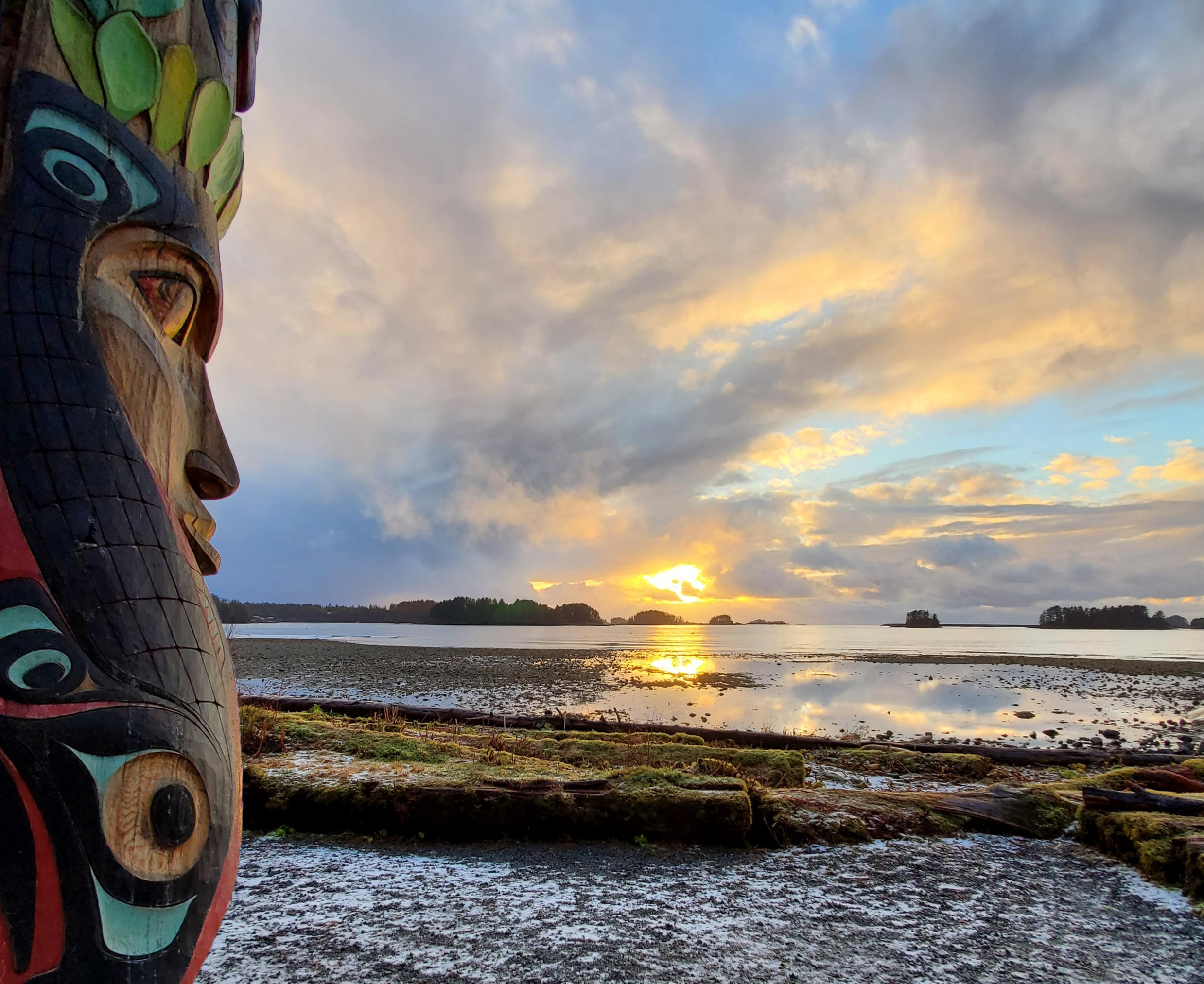
On an island amid towering spruce and hemlock, Sitka National Historical Park preserves the site of a battle between invading Russian traders and Indigenous Kiks.ádi Tlingit. Totem poles from Tlingit and Haida areas line the park’s scenic coastal trail, and the restored Russian Bishop’s House is a rare reminder of Russia’s colonial legacy in North America.
- NPS site
- nps.gov/sitk
- Location
- Sitka National Historical Park (57.047, -135.316)
Track your visit to Sitka National Historical Park
NP Tracker keeps a record of every National Park Service unit you visit — all 430-plus of them. Log visits with dates and photos, collect passport stamps, plan trips, and watch your map fill in. It's free.
Passport stamp locations
- Russian Bishop's House Visitor Contact Desk
Hours
Park Trailstoday: 7:00AM - 8:00PM
- Sat Oct 37:00AM - 8:00PMWinter Day Use Hours
- Sun Oct 47:00AM - 8:00PMWinter Day Use Hours
- Mon Oct 57:00AM - 8:00PMWinter Day Use Hours
- Tue Oct 67:00AM - 8:00PMWinter Day Use Hours
- Wed Oct 77:00AM - 8:00PMWinter Day Use Hours
- Thu Oct 87:00AM - 8:00PMWinter Day Use Hours
- Fri Oct 97:00AM - 8:00PMWinter Day Use Hours
Park grounds are open for day-use year-round. Pedestrian through-traffic is allowed between Sawmill Creek Road and the visitor center parking lot (over the Indian River footbridge) at any time provided pedestrians do not loiter.
Hours are retrieved from the National Park Service and can change without notice — before you go.
Visitor centers
2
- Russian Bishop's Houseclosed todayDirections
- Visitor Centertoday: 9:00AM - 5:00PMDirections
Self-guided tours
4
Russian American Walking Tour in Sitka, Alaska1–3 hours · 5 stops
Russian America was the term for Russian colonial possessions in North America (namely Alaska) from the mid-1700s to 1867. Its capital, Novo-Arkhangelsk is now present day Sitka. Following the Aleutian chain of islands in pursuit of sea otter pelts, Russian ships landed on the shores of Sitka in 1799. The stops on this tour bring to light what we may not have learned in school about that brief but important time in Alaskan history.
Russian Bishop's House First Floor Self-Guided Tour20–60 minutes · 12 stops
A self-guided tour of the grounds and first floor of the Russian Bishop's House. Explore this building that was the seat of the Russian Orthodox Church in Alaska. Built in 1843 and acquired by the National Park Service in 1973, this house went through a 15-year restoration to
Totem Trail15–60 minutes · 19 stops
A self-guided tour of all the totem poles located outside along Totem Trail and the visitor center in Sitka National Historical Park. Start at the Seaside Porch to learn about the Northwest coast artistry, Tlingit and Haida cultures that created these poles and history of the poles as they came to the park. Enjoy your exploration of the poles in the beautiful temperate rainforest of the Northwest Coast of Alaska.
Visitor Center Lobby Exhibits at Sitka National Historical Park
Entrance fees
No entrance fee.