Kaloko-Honokohau National Historical Park
National Historical Park · HI
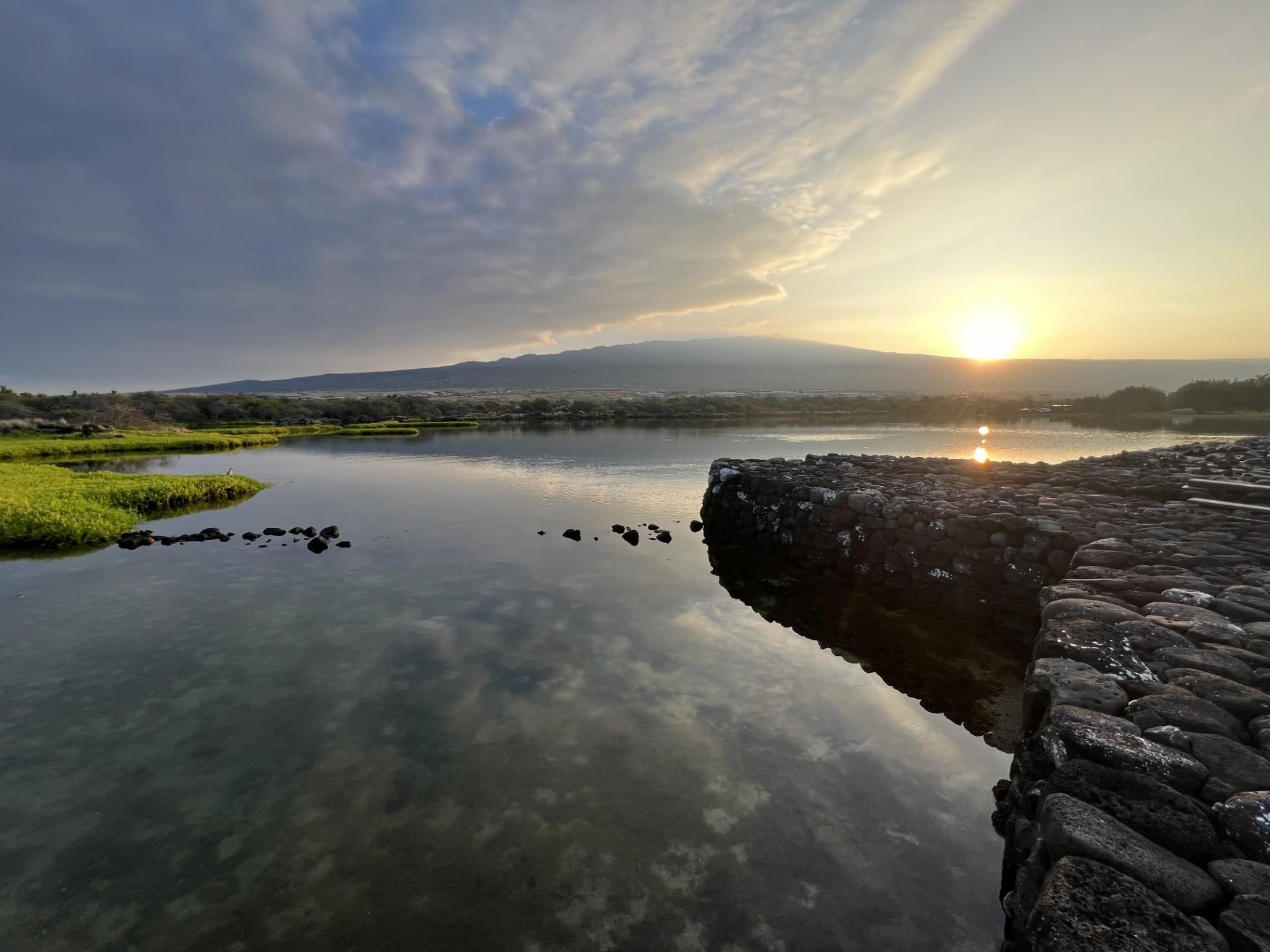
Along the western coastline of the Island of Hawaiʻi lies the hot, rugged lava of Kaloko-Honokōhau. This seemingly barren and harsh landscape does not appear to be suitable for human existence, and yet, long before written history, the Hawaiian people built a thriving settlement upon this ʻaʻā lava.
- NPS site
- nps.gov/kaho
- Location
- Kaloko-Honokōhau National Historical Park (19.681, -156.031)
Track your visit to Kaloko-Honokohau National Historical Park
NP Tracker keeps a record of every National Park Service unit you visit — all 430-plus of them. Log visits with dates and photos, collect passport stamps, plan trips, and watch your map fill in. It's free.
Passport stamp locations
- Hale Ho'okipa Visitor Center
Hours
Operating Hours and Seasonstoday: All Day
- Sun Nov 22All Day
- Mon Nov 23All Day
- Tue Nov 24All Day
- Wed Nov 25All Day
- Thu Nov 26All Day
- Fri Nov 27All Day
- Sat Nov 28All Day
The Park Visitor Center (Hale Hoʻokipa) is open daily from 8:30 AM to 4:00 PM. The physical address is 74-4968 Queen Ka'ahumanu Hwy (please note that this is not a mailing address), and our contact number is 808-326-9057. The parking area is open daily from 8:30 AM to 4:00 PM. Vehicles must be removed from the parking area by 4:00 PM. The Kaloko Road gate is open from 8:00 AM to 5:00 PM daily. An alternative entrance, which provides shorter access to 'Ai'opio Fishtrap, is reached by following Kealakehe P
Hours are retrieved from the National Park Service and can change without notice — check the official site before you go.
When to go
Busiest in December, warmest in September
Busiest in December, quietest in October.
Each month is its median across 2021–2025: the middle year’s figure, so one unusual year doesn’t skew it. Recreation visitors only. Typical, not a forecast for your dates. Source: NPS Stats.
Warmest in September (86° / 73°), coolest in January (80° / 66°).
Average daily high and low, °F, and monthly precipitation, 1991–2020, measured at Ke-ahole Pt 68.13, 6 km away, 6 m up. Typical, not a forecast for your dates. Source: NOAA climate normals.
Upcoming events
2 in the next two weeks
- Noni: A Talk with Ranger Emily
Tomorrow · 11:00 AM–12:00 PM
Join Ranger Emily for a short talk about noni, a plant with a long history of use in Hawaiʻi. Learn more about this remarkable plant and its place in Hawaiian culture. This talk will take place at…
Cultural/Craft Demonstration, Talk · Free
- Fish and ʻŌpae Trap Making with Uncle Pomai
Tue, Dec 1 · 10:00 AM–01:00 PM
Join Uncle Pomai for a cultural demonstration exploring the traditional Hawaiian practice of making fish and ʻopae (shrimp) traps. Learn about the materials, techniques, and traditional knowledge…
Cultural/Craft Demonstration · Kaloko-Honokōhau National Historical Park Visitor Center · Free
Things to do
6
- Become a Junior Ranger at Kaloko-Honokōhau NHP
Explore! Learn! Protect! Become a Junior Ranger at Kaloko-Honokōhau National Historical Park. Opportunities for all ages (even adults, see our Kupuna (elder) book! makes becoming a Junior Ranger an experience for the whole 'ohana (family).
All year
- Birdwatching at Kaloko-Honokōhau
Grab your binoculars and set out on a birdwatching adventure along the Kona coastline. See the vibrant yellow saffron finch, hear the boisterous calls of the common Myna, and watch as the ʻAukuʻu (black crowned night heron) slightly stalks its prey.
All year
- Ocean Explorations
Imagine how the ancient Hawaiian people who lived here and used the ocean and its abundant resources. This is was a beautiful but difficult place to live hundreds of years ago. While you are here take a tidal pool walk (but be careful the rocks can be slippery!), or watch a beautiful sunset along the seashore. Fishing and gathering of some ocean resources are allowed and are managed by State of Hawaii regulations.
30-90 Minutes · All year
- Petroglyphs in the Park!
The petroglyphs of Honokōhau are unique. A master craftsman laboring with stone tools and human hands in the hot sun made these into distinctive works of art that have become reservoirs of information. This area is a boardwalk that is along the mauka-makai trail a half mile from the visitor center or it can be accessed from the beach area (follow the signs to the visitor center).
All year
- Picnicking at Kaloko Fishpond
Kaloko Fishpond
All year
- Take a Lava Hike!
Many trails in the park were created in ancient times and others are from the historical era. These were trails for pack animals. The main park trail is a loop that circles the park and is 4.5 miles long or 7.2 kilometers. It is highly recommended to wear sturdy shoes, have sun protection and bring plenty of water. Many sections of the trail are rough and uneven and the ocean section can be effected by high tides and large surf.
1-2 Hours · All year
Visitor centers
1
- Hale Ho'okipa Visitor Centertoday: 8:30AM - 4:00PMDirections
Entrance fees
No entrance fee.