Minidoka National Historic Site
National Historic Site · ID, WA
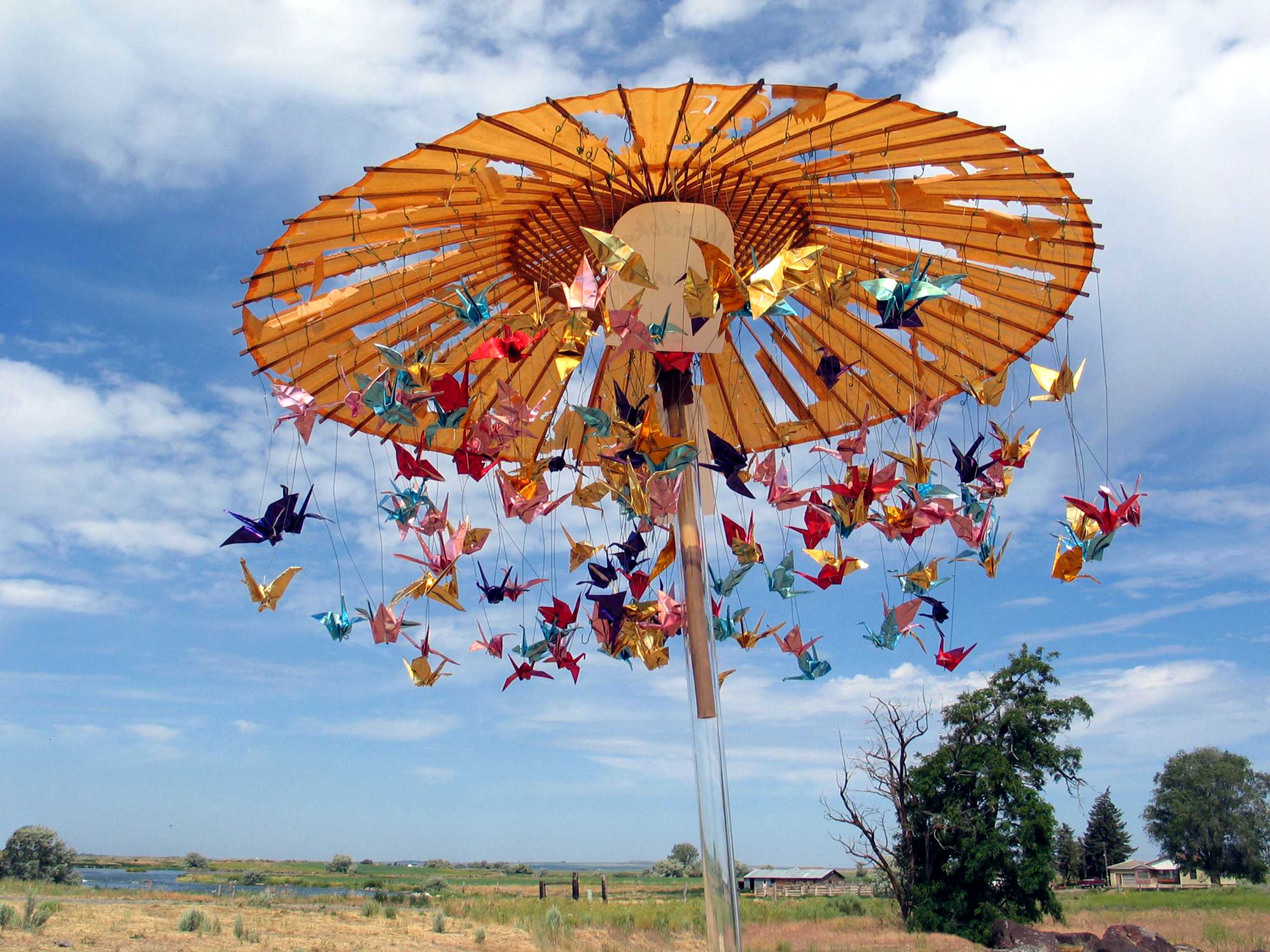
During World War II, over 120,000 people of Japanese ancestry were forcibly removed from their homes and incarcerated without due process of law. Although little remains of the barbed-wire fences and tar-papered barracks, the Minidoka concentration camp once held over 13,000 Japanese Americans in the Idaho desert. Minidoka preserves their legacy and teaches the importance of civil liberties.
- NPS site
- nps.gov/miin
- Location
- Minidoka National Historic Site (42.678, -114.246)
Track your visit to Minidoka National Historic Site
NP Tracker keeps a record of every National Park Service unit you visit — all 430-plus of them. Log visits with dates and photos, collect passport stamps, plan trips, and watch your map fill in. It's free.
Passport stamp locations
- Minidoka Visitor Center
Hours
Minidoka National Historic Sitetoday: Sunrise to Sunset
- Sun Nov 22Sunrise to Sunset
- Mon Nov 23Sunrise to Sunset
- Tue Nov 24Sunrise to Sunset
- Wed Nov 25Sunrise to Sunset
- Thu Nov 26Sunrise to Sunset
- Fri Nov 27Sunrise to Sunset
- Sat Nov 28Sunrise to Sunset
The Historic Site is open daily during daylight hours year-round for self-guided tours. Visitor center hours and ranger program offerings vary seasonally. Restrooms are only open during Visitor center operations.
Hours are retrieved from the National Park Service and can change without notice — check the official site before you go.
When to go
Busiest in July, warmest in July
Busiest in July, quietest in December.
Each month is its median across 2021–2025: the middle year’s figure, so one unusual year doesn’t skew it. Recreation visitors only. Typical, not a forecast for your dates. Source: NPS Stats.
Warmest in July (89° / 56°), coolest in January (36° / 20°).
Average daily high and low, °F, and monthly precipitation, 1991–2020, measured at Hazelton, 13 km away, 1,238 m up. Typical, not a forecast for your dates. Source: NOAA climate normals.
Things to do
4
- Become a Minidoka Junior Ranger!
Become a Minidoka Junior Ranger and earn a special badge or patch! Junior Ranger booklets offer opportunities for visitors of all ages to explore and help protect this important chapter in American history.
Spring, Summer, Fall
- Take a Self-Guided Walking Tour of Minidoka
Minidoka National Historic Site offers 1.6 miles (2.5 km) of gravel walking trails. Visitors may explore the site and the exteriors of historic structures at their own pace. Educational exhibits are placed along the trail to provide information.
30-120 Minutes · All year
- View Exhibits at the Minidoka Visitor Center
Much of the Minidoka Visitor Center, located within a historic warehouse, is dedicated to museum exhibits. Displays and historic objects help to tell the story of the Japanese Americans incarcerated here during WWII.
- Watch the Minidoka Film
"Minidoka: An American Concentration Camp" offers a moving introduction to Minidoka National Historic Site and the Japanese American incarceration during WWII. The 30-minute film, narrated by actor and incarceration survivor George Takei, can be viewed online or in person at the Minidoka Visitor Center.
0-30 Minutes
Visitor centers
1
- Minidoka Visitor Centerclosed todayDirections
Entrance fees
No entrance fee.