San Juan Island National Historical Park
National Historical Park · WA
Caution · Wildlife Viewing Guidelines
San Juan Island National Historical Park provides habitat for many species of animals. When you visit the park, you are visiting their home. Do not approach any wildlife within 75 ft/23 m (two school bus lengths).
More information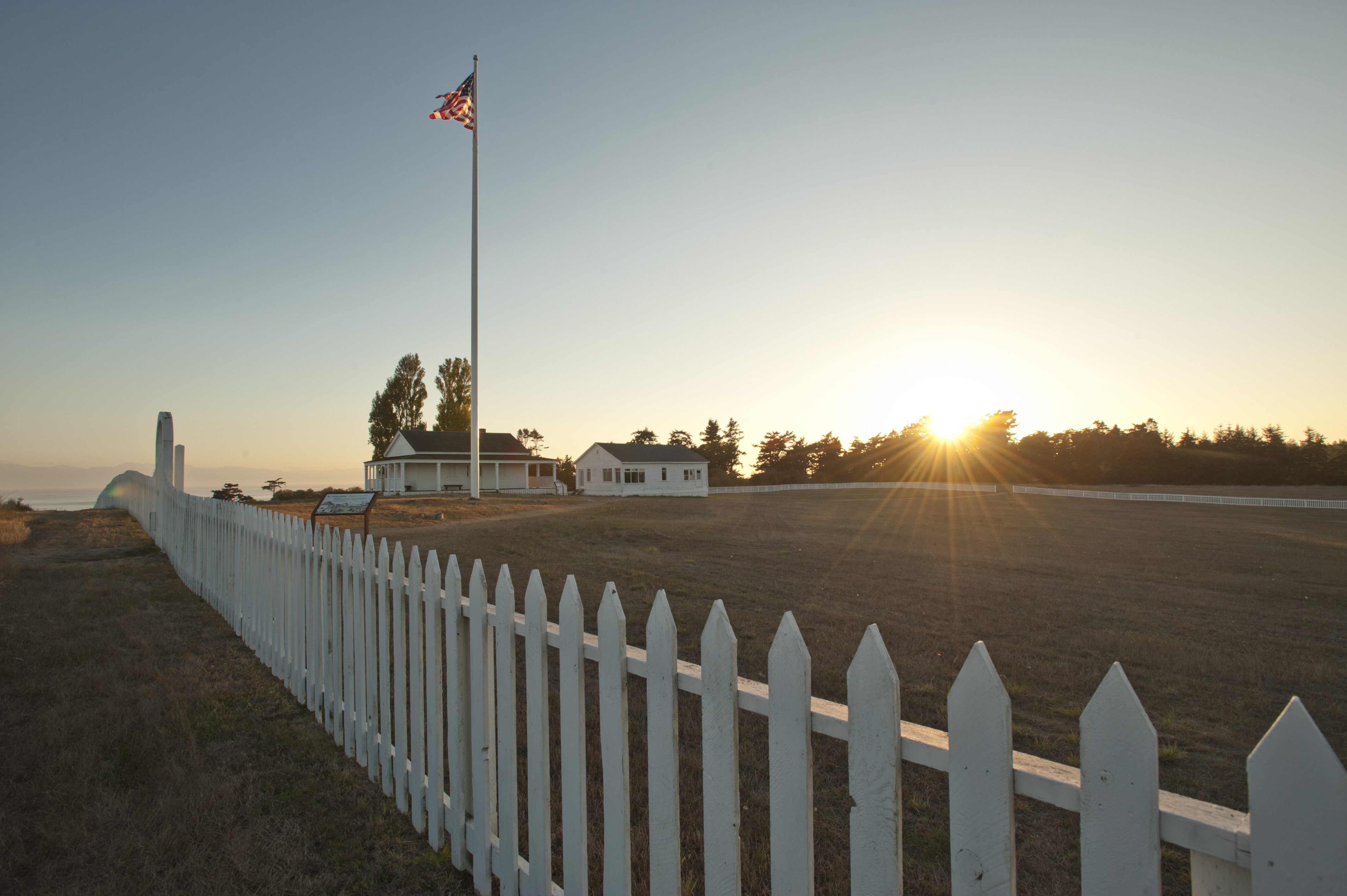
San Juan Island is well known for its splendid vistas, saltwater shores, quiet woodlands, orca whales and one of the last remaining native prairies in the Puget Sound/Northern Straits region. But it was also here in 1859 that the United States and Great Britain nearly went to war over possession of the island, the crisis ignited by the death of a pig.
- NPS site
- nps.gov/sajh
- Location
- San Juan Island National Historical Park (48.512, -123.061)
Track your visit to San Juan Island National Historical Park
NP Tracker keeps a record of every National Park Service unit you visit — all 430-plus of them. Log visits with dates and photos, collect passport stamps, plan trips, and watch your map fill in. It's free.
Passport stamp locations
- American Camp Parade Grounds
- American Camp Visitor Center
Hours
San Juan Island National Historical Parktoday: All Day
- Sun Nov 22All Day
- Mon Nov 23All Day
- Tue Nov 24All Day
- Wed Nov 25All Day
- Thu Nov 26All Day
- Fri Nov 27All Day
- Sat Nov 28All Day
Park grounds are open 24 hours per-day, year-round.
Hours are retrieved from the National Park Service and can change without notice — check the official site before you go.
When to go
Busiest in July, warmest in August
Busiest in July, quietest in November.
Each month is its median across 2021–2025: the middle year’s figure, so one unusual year doesn’t skew it. Recreation visitors only. Typical, not a forecast for your dates. Source: NPS Stats.
Warmest in August (73° / 50°), coolest in February (49° / 37°).
Average daily high and low, °F, and monthly precipitation, 1991–2020, measured at Friday Harbor AP, 3 km away, 33 m up. Typical, not a forecast for your dates. Source: NOAA climate normals.
Things to do
23
- American Camp History Walk
Embark on a captivating 1 mile guided walk through San Juan Island National Historical Park, where you can relive the intriguing events of the Pig War. Interpretive waysides provide historical insight into the life of soldiers at American Camp.
- Biking on San Juan Island
Biking is a great way of exploring the island!
All year · Reservation required · Fee
- Foraging on San Juan Island
There are many foraging opportunities on San Juan Island
- Go Kayaking
Many people come to San Juan Island seeking the adventure of exploring the area by boat. Sea kayaks are very popular for travel among the islands. Operating a small craft on the Salish Sea is fun and exciting, but can also be extremely hazardous when weather conditions become unfavorable. Paddlers must know their equipment, know their limits, obtain a current weather forecast, and respect the ever-changing environment of Puget Sound.
15-300 Minutes · All year
- Hike Officer's Hill
The trails surrounding the Officers’ Quarters at English Camp offer a captivating journey through history and nature.
- Hike The Mount Finlayson Loop Trail
This popular trail is a 2.9 mile loop. It visits numerous ecosystems and provides excellent views of the Cascades and Olympic Mountains.
1-2 Hours
- Hike the Bell Point Loop
The Bell Point trail traverses a mature madrona forest and hugs the shores of Garrison Bay and Westcott Bay.
- Hike the Bluff Trail
The Bluff Trail is a phenomenal way to experience the environmental richness of American Camp. Keep an eye out for orca whales in the Salish Sea.
Visitor centers
1
- American Camp Visitor Centerclosed todayDirections
Self-guided tours
4
American Camp History Walk1–2 hours · 13 stops
American military forces first landed on San Juan Island in July of 1859 and remained at American Camp until 1874. During the twelve years that British and American forces both occupied the island, a tense standoff was transformed into international friendship. This self-guided walking tour allows you to learn more about this exciting historical landscape.
Bike or Drive the San Juan Islands Scenic Byway2–5 hours · 8 stops
The San Juan Islands Scenic Byway was created in 2009. It provides a picturesque auto-touring route that takes visitors to some of the most beautiful places in our archipelago. One unique feature of this Scenic Byway is that it begins on the Washington State Ferry, a marine highway traversing the San Juan Islands in which your car is parked and you can observe the islands and marine life of the Salish Sea. It also links our American Camp and English Camp units and visits other scenic and historic sites.
Land Based Whale Watching Tour1–5 hours · 7 stops
Welcome to San Juan Island! This is a great place to observe local marine mammals including the famous Southern Resident Killer Whales (SRKWs). This guide will assist those who are not familiar with the island in finding these marine mammals from shore. Remember that many locations on the island are private property. Do Not Trespass!! View a summary of the stops, resources, guidelines, and recommended equipment: https://tinyurl.com/46jan6hu
Entrance fees
No entrance fee.